
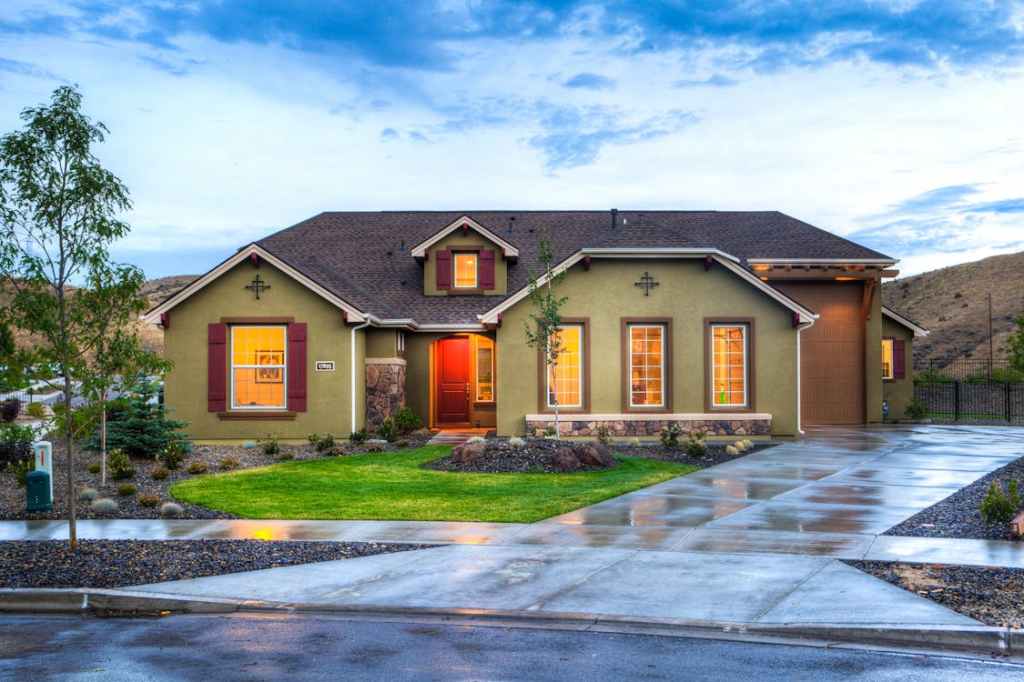
Choosing the right roof style for your home is a significant decision that affects not only the aesthetics of your property but also its functionality and value. Considering you may be looking at this roof for the next ten years or so, and you realize how much thought you need to put into it!
Your roof is a critical component of your home, offering protection from the elements and playing a major role in energy efficiency. It also needs to be maintained for home insurance purposes.
With a variety of styles available, it’s important to weigh factors like your home’s architectural design, local climate, and budget when making your choice.
Things to Consider When Choosing a Roof
Consider Your Home’s Architectural Style
Your home’s architectural design often dictates which roof styles will look best. For instance:
- Gable roofs, characterized by their simple triangular shape, are versatile and work well with a wide range of home styles, including colonial and modern designs.
- Hip roofs, with all sides sloping downward, are ideal for ranch-style or Mediterranean homes, offering a balanced, symmetrical appearance.
- Flat roofs are commonly used in modern or industrial-style homes, providing a sleek and minimalist aesthetic.
- Mansard roofs, known for their steep lower slope and flat upper surface, lend a French-inspired charm to your home and offer additional attic or living space.
Matching the roof style to your home’s design enhances curb appeal and ensures the overall look is cohesive.
Assess the Local Climate
The climate in your area is a crucial factor in roof selection. Different roof styles perform better under specific weather conditions.
- Gable roofs are excellent for shedding rain and snow, making them a popular choice in regions with heavy precipitation.
- Hip roofs are sturdy and perform well in areas prone to high winds or hurricanes.
- Flat roofs are better suited for dry climates, as they are more prone to water pooling in heavy rain.
- Saltbox roofs, with their asymmetrical design, are effective in snowy areas because the steep slope prevents snow accumulation.
Considering your region’s weather patterns ensures that your roof is both durable and practical.
Factor in Energy Efficiency of Your Roof
Roof style can significantly impact your home’s energy efficiency. A well-designed roof can reduce heating and cooling costs by improving insulation and ventilation.
- Cool roofs, which are typically flat or low-sloped, are designed to reflect more sunlight and absorb less heat, making them ideal for warmer climates.
- Roofs with overhangs, such as hip roofs, can provide shade and reduce heat gain, keeping your home cooler.
- Ventilation is key for energy efficiency, so ensure that your roof design accommodates proper airflow to prevent heat buildup and moisture issues.
Think About Future Roof Maintenance and Costs
Different roof styles come with varying maintenance requirements and costs.
- Gable roofs are relatively low-maintenance and cost-effective, but they may be vulnerable to wind damage if not properly constructed.
- Flat roofs often require regular maintenance to prevent leaks and ensure proper drainage.
- Mansard roofs can be more expensive to install due to their complex design but offer the advantage of additional living space.
- Dormer roofs, which add windows and natural light, can be a stylish option but require careful installation to avoid leaks.
Consider the long-term maintenance needs and upfront costs to ensure your choice fits your budget.
Don’t Forget Local Building Codes
Before making a final decision, check local building codes and homeowner association guidelines. These regulations may influence the types of roof styles and materials you can use. For example, some areas may restrict certain roof heights or require fire-resistant materials. Consulting with a professional can help you navigate these requirements.
Work With a Roofing Professional
Choosing the best roof style involves balancing aesthetics, functionality, and practicality. A roofing professional can help assess your needs and recommend options tailored to your home and location. This is not a job you want to take on yourself!
They can also provide insights into the latest roofing materials and technologies, ensuring your roof is both durable and energy efficient.
A Roof with Style and Function
The roof you choose has a profound impact on your home’s appearance, protection, and energy efficiency. By considering your home’s architectural style, local climate, energy needs, maintenance requirements, and building codes, you can select a roof style that meets your unique needs. Whether you opt for a classic gable roof or a modern flat design, investing in the right roof ensures your home is both beautiful and well-protected for years to come.
Discover more from the6parkers
Subscribe to get the latest posts sent to your email.


 the6parkers