
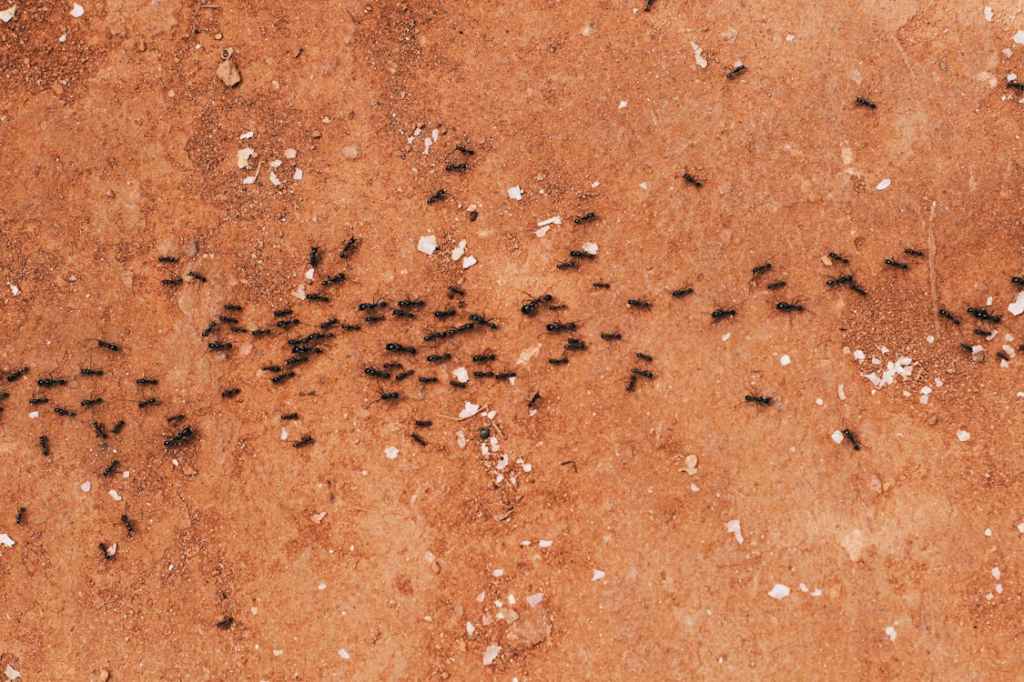
Dealing with pests in your home can be frustrating, especially when they seem to appear out of nowhere. From ants marching across your kitchen counter to spiders lurking in corners, pests are not only annoying but can also pose health and property risks.
While hiring professional pest control services is always an option, many homeowners prefer natural and DIY methods to keep their living spaces pest-free. With a proactive approach and eco-friendly solutions, you can protect your home without relying on harmful chemicals.
Wearing safety goggles (or prescription safety glasses if you usually wear glasses) when dealing with anything that may be damaging is always a good idea.
A Natural Approach to Pest Control
Maintain a Clean Home
The foundation of any pest prevention strategy starts with a clean home. Pests are attracted to food crumbs, spills, and clutter that provide easy hiding places. To make your home less inviting to unwanted guests, focus on maintaining a clean environment.
Sweep and mop floors regularly, wipe down countertops, and store food in airtight containers. Don’t forget to take out the trash frequently, as a full garbage can is a feast for pests like cockroaches and rodents.
Seal Entry Points
Pests can enter your home through the tiniest of openings, from cracks in the foundation to gaps around windows and doors. Inspect your home thoroughly for any potential entry points and seal them with caulk, weather stripping, or steel wool. Pay special attention to areas around plumbing, electrical wiring, and vents, as these are common access points. Installing door sweeps and repairing damaged screens can also help keep pests out.
Eliminate Standing Water
Water is a major attractant for pests like mosquitoes, cockroaches, and termites. To reduce the likelihood of infestations, eliminate standing water around your home. Check for leaky pipes, dripping faucets, or clogged gutters, and fix any issues promptly. If you have outdoor spaces, ensure that birdbaths, plant saucers, and other water-collecting items are emptied and cleaned regularly. Proper drainage is essential to keeping pests at bay.
Use Natural Repellents
Nature provides a variety of effective pest deterrents that are safe for your family and pets. Essential oils like peppermint, tea tree, and lavender can repel insects such as ants, spiders, and mosquitoes. Create a DIY spray by mixing a few drops of your chosen essential oil with water and spraying it in areas where pests are commonly seen. Additionally, diatomaceous earth—a natural, powdery substance—can be sprinkled in cracks, crevices, and other pest-prone areas. It’s harmless to humans and pets but lethal to insects with exoskeletons.
Herbs and plants can also act as natural pest repellents. For instance, basil and rosemary can deter flies, while marigolds and citronella help keep mosquitoes at bay. Consider planting these around your home or placing potted versions indoors near windows and doorways.
Declutter Your Space
Clutter provides hiding spots for pests, making it harder to detect and eliminate them. Keep your home organized by decluttering regularly. Pay particular attention to areas like basements, attics, and storage closets, as these are prime locations for rodents and insects to nest. Cardboard boxes are especially attractive to pests, so opt for plastic storage bins with tight-fitting lids instead.
Manage Outdoor Areas
Your yard plays a significant role in pest prevention. Overgrown vegetation, piles of firewood, and debris can create ideal conditions for pests to thrive. Trim bushes and trees regularly, especially those that are close to your home, as they can serve as bridges for pests to enter. Keep firewood stored away from your house and elevate it off the ground. If you have a compost bin, ensure it’s sealed tightly to avoid attracting rodents and insects.
Avoid Bringing Pests Indoors
Sometimes, pests hitch a ride into your home through items like grocery bags, plants, or secondhand furniture. Inspect these items carefully before bringing them inside. Shake out bags and thoroughly clean any used furniture to prevent unwanted guests from sneaking in.
Monitor and Act Quickly
Regularly check your home for signs of pest activity, such as droppings, gnawed materials, or nests. Early detection is key to preventing a full-blown infestation. If you spot a problem, address it immediately using natural remedies or traps. Waiting too long can make the issue harder to manage and may require professional intervention.
A Pest-Free Home Naturally
Protecting your home from pests doesn’t have to involve harsh chemicals or expensive treatments. By adopting these DIY pest prevention tips, you can create an environment that’s unwelcoming to pests while keeping your home safe and healthy. With a clean, well-maintained space and a few natural remedies, you’ll be able to enjoy a pest-free home year-round.
Discover more from the6parkers
Subscribe to get the latest posts sent to your email.


 the6parkers