(This is a collaboration post.)
One of the most enriching ways to strengthen your relationship with your dog is through training. Adding hand signals into the mix of your vocal commands can take that to an entirely new level. Now, let’s talk about why hand signals will prove to be an enhancement of any dog’s training and how they can make your life so much easier.
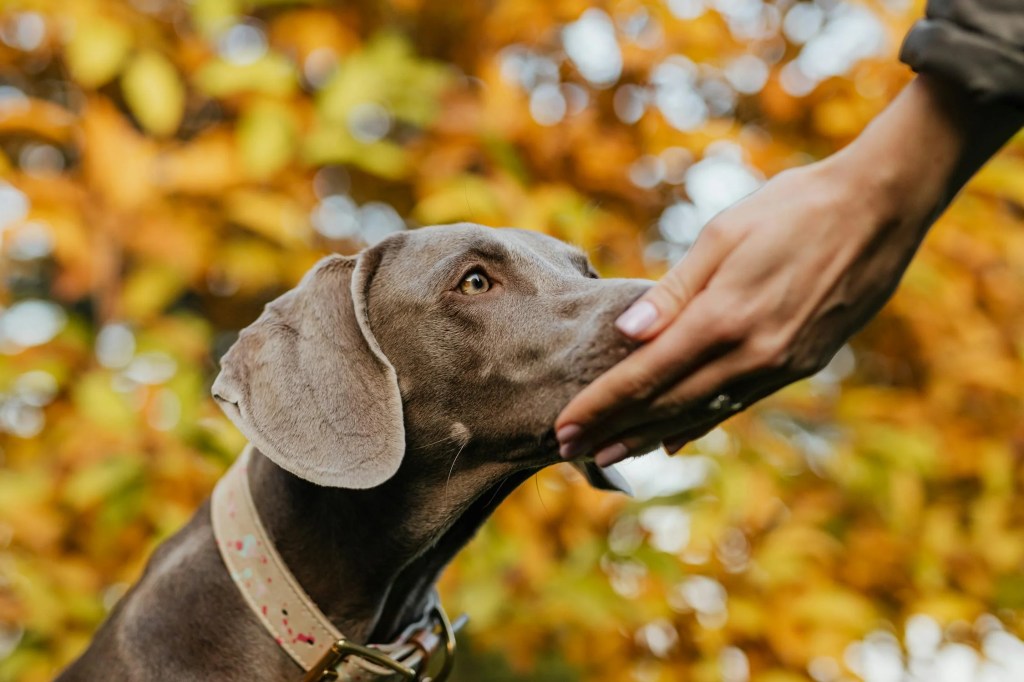
Source: https://www.pexels.com/photo/a-dog-smelling-a-person-s-hand-5705627/
Hand Signals: A Clearer Way to Communicate
Dogs are essentially visual learners. They don’t rely so much on words but focus more on the physical movements we make to cue them. For this reason, a dog will often catch a gesture much earlier than a verbal command. Hand signals create a visual connection your dog can easily recognize, even in noisy environments or from a distance. Imagine yourself in a noisy park, whistling your dog in from afar amidst a sea of barking dogs and yammering humans; all it takes is just one simple hand gesture to cut straight through the chaos and snap them to attention.
A Lifeline When Words Don’t Work
Sometimes, voice commands aren’t applicable. Perhaps you’ve lost your voice, or you find yourself in a situation where silence is golden, such as on a quiet morning hike or at a family gathering. Hand signals also come in very handy for older dogs or those with hearing impairments. They offer a reliable method of communication irrespective of the circumstances. Think of them as a backup plan that ensures your dog always knows what you’re asking, no matter the setting.
Building Trust and Mental Stimulation
Training with hand signals isn’t just practical; it’s also a great way to mentally stimulate your dog. Learning new commands keeps their brain active, sharp, and engaged—especially for breeds that thrive on mental stimulation. Dogs love challenges, and a correct response to a given hand signal is a success for both parties. This helps build trust and strengthens the bond you share, making your pup even more eager to please.
Hand Signals and Professional Training
For many pet owners, figuring out the best way to teach hand signals might feel a little overwhelming at first. If you’re not sure where to start, professional training can be a big help. Group classes or one-on-one sessions are great for honing both your and your dog’s skills. This is also a great avenue for socializing your pet within a controlled environment. If you ever find yourself wondering about how much local dog training costs, it’s often a worthwhile investment for the lasting rewards.
A Fun and Useful Skill
Training your dog through the use of hand signals isn’t just about obedience; it’s about convenience for both of you and can be quite fun. It’s one of those skills that will stay with your dog for life, while the benefits extend far beyond simple commands. From basic “sit” or “stay” to much more complex tricks, hand signals are minor actions that play a significant role in communication.
Finally, hand signals are more than a tool to effectively train; they’re how you’ll speak your dog’s language. By teaching these cues, you’re not just setting them up for success but deepening your connection in ways words alone simply can’t achieve.
Discover more from the6parkers
Subscribe to get the latest posts sent to your email.


 the6parkers